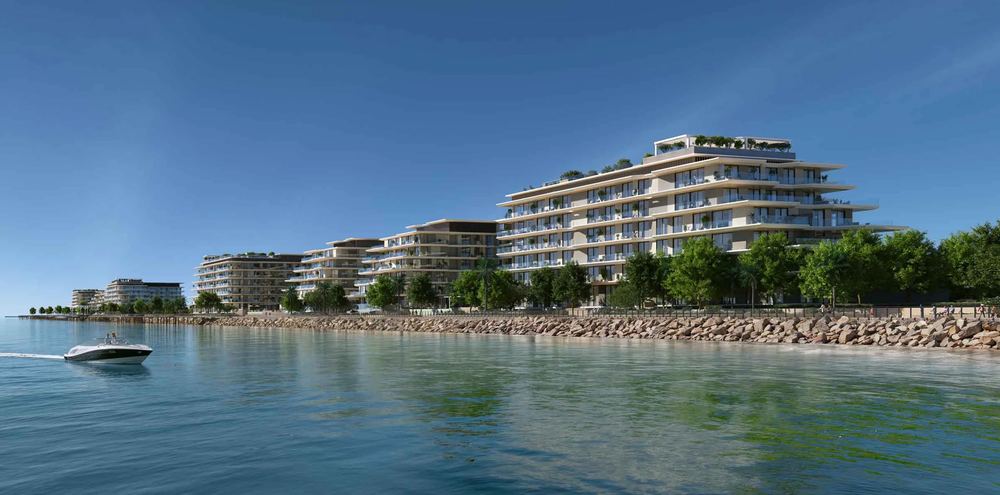
The six stages of buying property in Dubai, start to finish:
The purchase price is only part of the number. On a secondary-market purchase, budget roughly 4% for the Dubai Land Department transfer fee, a DLD trustee registration/admin fee of around AED 2,000–4,000 plus 5% VAT depending on the price band, about AED 580 for the title deed, and typically 2% agency commission — call it 6–7% on top of the purchase price in total, though we confirm the exact figure for your specific transaction since off-plan deals carry a different fee structure. If you're financing, add a mortgage registration fee (roughly 0.25% of the loan) and a property valuation fee.
Non-UAE nationals can buy freehold property — full title to both the unit and the land — only in areas Dubai has designated for foreign freehold ownership. That covers most of the well-known investment areas (Dubai Marina, Downtown Dubai, Business Bay, Palm Jumeirah, Dubai Hills Estate, Dubai Creek Harbour and others), but not every neighbourhood in the city, so it's always the first thing we check against a shortlist.
If you need financing, a mortgage pre-approval tells you your realistic ceiling and makes your offer credible to a seller. UAE Central Bank rules cap loan-to-value: broadly up to 85% for UAE nationals and 80% for UAE-resident expats on a first property valued at AED 5 million or under (lower above that threshold), and typically around 50–60% for non-resident buyers, at each bank's discretion. Rates and exact terms vary by lender, which is why we compare across several before you commit.
Once you've agreed a price, a Memorandum of Understanding (commonly Form F when a registered agent is involved) sets out the price, timeline and conditions, alongside a deposit — usually 10% — held until transfer. For off-plan, this stage is instead a reservation form and Sale & Purchase Agreement directly with the developer, registered with DLD (Oqood) rather than transferred on the spot.
Before transfer, the seller obtains a No Objection Certificate from the developer confirming no outstanding service charges or mortgage on the unit. Transfer itself happens at a DLD trustee office (or online for some transactions), where the balance is paid, fees settled, and the title deed reissued in your name — typically the fastest part of the whole process once the NOC is in hand.
If you're moving in, you'll register a DEWA account and, if renting rooms or the whole unit out isn't the plan, that's the end of it. If you're renting it out, see our Landlord Guide for what comes next — Ejari registration, tenancy contracts and rent-increase rules.
This guide covers the general rules — WhatsApp us for a straight answer on your exact situation.
WhatsApp Our Team